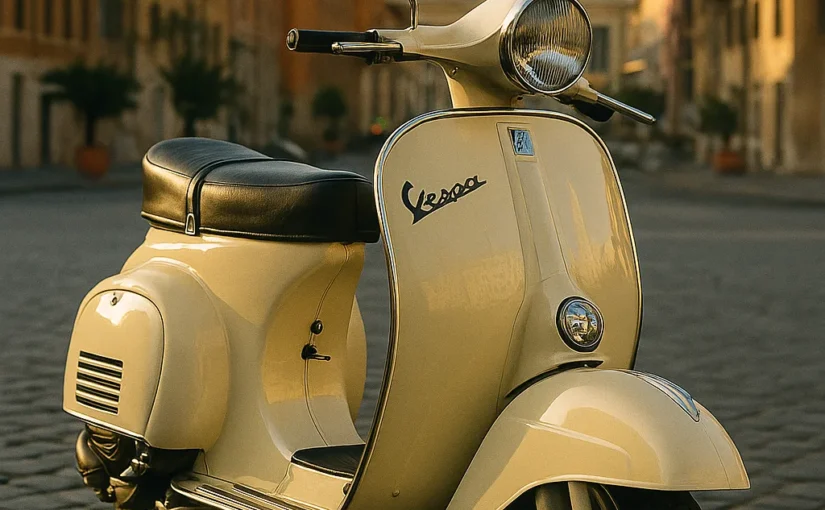
The Vespa is more than a scooter—it’s an icon. For over 75 years, Vespa has symbolized freedom, Italian style, and timeless mobility. Yet when it comes to choosing between a vintage Vespa and a modern model, opinions often split. One speaks to nostalgia, simplicity, and heritage; the other promises convenience, technology, and everyday reliability.
Whether you’re considering your first Vespa or looking to add another to your collection, understanding the key differences between vintage and modern models can help you choose the right ride for your lifestyle and passion.
Design and Aesthetic Appeal
Both vintage and modern Vespas carry the DNA of classic Italian design—rounded curves, a step-through frame, and a distinctively sleek silhouette. However, there are clear visual distinctions.
Vintage Vespas, such as the PX, Sprint Veloce, or 50 Special from the 1960s–1980s, feature metal bodies, minimal plastic, and often ride on 8- or 10-inch wheels. They showcase hand-crafted details, visible rivets, and timeless charm. These scooters age gracefully, developing patina and personality with every ride.
Modern Vespas, like the Primavera, Sprint, or GTS, retain the overall shape but integrate modern materials, including lightweight alloys and more plastic body panels. Their lines are smoother, more polished, and often come in a broader palette of factory paint options with LED lighting, digital displays, and stylish chrome accents.
In short, vintage models feel retro and romantic. Modern ones feel clean, functional, and fashion-forward.
Engine and Performance
This is where the biggest difference lies.
Vintage Vespas use 2-stroke, manual gear-shift engines with a clutch. The unmistakable buzzing sound, the smell of premixed fuel, and the feel of controlling every shift make riding them a tactile, mechanical experience. They’re slower (especially the 50cc models), more temperamental in cold starts, and require hands-on attention—but for many enthusiasts, that’s exactly the charm.
Modern Vespas run on 4-stroke, automatic CVT engines—quiet, efficient, and user-friendly. Models like the Primavera 125 or GTS 300 are powerful enough for urban and suburban use, with reliable acceleration and reduced emissions. There’s no need to change gears or mix oil into fuel. You just turn the key, twist the throttle, and go.
For daily commuting, a modern Vespa offers smoother handling, better braking, and lower maintenance. For weekend pleasure rides, some still prefer the raw simplicity of kickstarting a 1970s PX.
Maintenance and Repair
Owning a vintage Vespa often means becoming part-time mechanic or building a good relationship with a specialist. These scooters can be maintained with basic tools and parts, but original components (especially for older models) may be harder to find and more expensive. That said, a vintage Vespa is largely mechanical, which means fewer electronics to fail and more do-it-yourself potential.
Modern Vespas, in contrast, are built for reliability and low-maintenance ownership. Regular servicing is straightforward, and dealerships have easy access to parts. However, diagnosing problems may require professional tools or software. Repairs, especially for fuel-injected or electric models, are more difficult to do yourself.
If you’re a hands-on enthusiast who enjoys working with tools, a vintage Vespa can be a fun hobby. If you want to ride without worry, the modern route is safer.
Comfort, Safety, and Everyday Use
From padded seats to suspension systems, modern Vespas win in comfort. They offer better brakes (including ABS on some models), improved suspension, brighter lights, and more ergonomic seating. For long rides, passenger use, or navigating busy traffic, these upgrades make a real difference.
Vintage Vespas can feel bumpy on uneven roads, and braking distances are longer. Without electronic assistance or disc brakes, riders need to be more alert and experienced. But in quiet towns, during slow Sunday rides, or short-distance trips, a vintage Vespa provides unbeatable character and connection to the road.
Collector Value and Emotional Appeal
For many Vespa lovers, the appeal of a vintage model lies in its story. Each scratch has a tale, each ride feels like stepping into another era. Older models—even restored ones—can become valuable collector’s items, particularly rare editions like the GS 160 or the original Vespa 98.
Modern Vespas offer practicality and peace of mind, but they rarely appreciate in value—unless you’re investing in a limited-edition version like the Sean Wotherspoon or Dior collaborations.
That said, emotion plays a major role. A modern GTS may be faster and safer, but nothing quite matches the soul of a vintage ride that sputters to life and draws smiles from passersby.
Conclusion: Which Vespa Is Right for You?
If you’re looking for everyday ease, quiet commutes, and no surprises—choose a modern Vespa. It’s reliable, fast, stylish, and ready to roll whenever you are.
But if you dream of weekend tinkering, nostalgic styling, and the joy of riding something mechanical and alive—then a vintage Vespa might be your soulmate.
Whichever you choose, you’re joining a global family of riders who know: a Vespa isn’t just about transportation—it’s about how the journey feels.