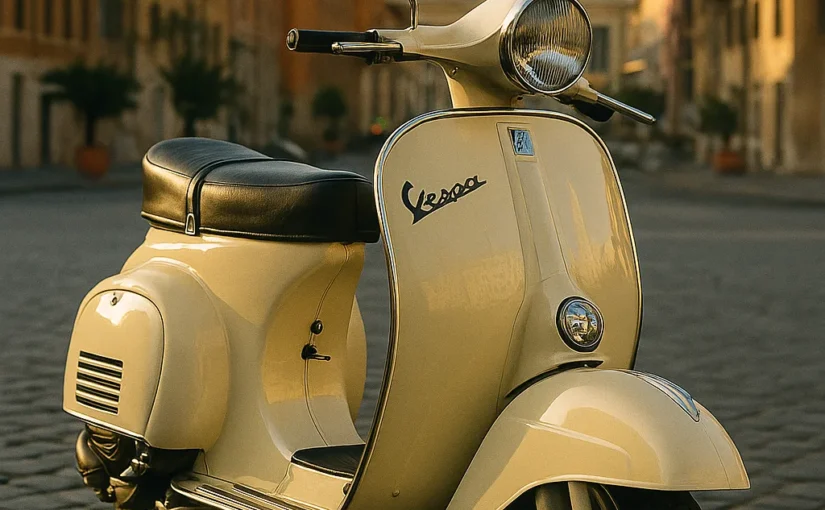
A Vespa scooter is more than just a mode of transportation—it’s a design icon, a lifestyle choice, and for many, a beloved companion for everyday rides or weekend escapes. Whether you’re riding a classic PX, a modern Primavera, or the eco-friendly Elettrica, keeping your Vespa in top shape is key to enjoying its beauty and performance for years to come.
Maintenance doesn’t have to be complicated or expensive. With a few basic routines and good habits, you can extend the life of your Vespa, improve your safety, and keep it looking pristine. In this article, we’ll explore five essential Vespa maintenance tips that every rider—especially beginners—should know.
1. Check and Maintain Tire Pressure Regularly
Tires are the only part of your Vespa that touches the road, and their condition directly affects your safety, comfort, and fuel efficiency. One of the simplest yet most often overlooked maintenance tasks is checking your tire pressure.
Underinflated tires can lead to poor handling and increased fuel consumption, while overinflated tires can reduce grip and wear out faster. Vespa scooters typically require 1.8 to 2.0 bar (26–29 psi) depending on the model and whether you’re riding solo or with a passenger.
Make it a habit to check tire pressure at least once a month or before long rides. Also, inspect the tread depth and look for cracks or uneven wear—signs that it may be time for a replacement.
2. Change the Engine Oil at Regular Intervals
Just like in a car, engine oil in a Vespa lubricates moving parts, reduces friction, and prevents overheating. Over time, oil breaks down and loses its effectiveness, which can lead to serious engine problems.
For most Vespa models with internal combustion engines (like the Primavera or GTS), it’s recommended to change the oil every 3,000 to 5,000 kilometers (1,800–3,000 miles), or once a year—whichever comes first.
If you’re riding a Vespa Elettrica, you obviously don’t need oil changes, but you should still keep an eye on brake fluid and gear lubrication during regular service checks.
Tip: Always use manufacturer-recommended oil, and don’t forget to replace the oil filter when doing a change.
3. Keep the Battery Charged and Clean
A dead or weak battery is one of the most common issues Vespa riders face—especially after winter storage or long periods without use. If your Vespa has an electric starter, a good battery is crucial for hassle-free ignition.
During colder months or if your scooter will sit unused for a few weeks, it’s a good idea to disconnect the battery or connect it to a trickle charger to keep it topped up.
Regularly inspect the battery terminals for corrosion (a white or green powdery buildup), and clean them gently with a wire brush if needed. Ensure the cables are tightly connected and not frayed.
For electric Vespas, follow the manufacturer’s guidelines for charging cycles and storage temperature, as lithium batteries can degrade if improperly maintained.
4. Wash and Wax to Protect Your Vespa’s Finish
Vespa scooters are known for their glossy finishes and classic paintwork. To keep your scooter looking as good as the day you bought it, regular cleaning is essential—not just for aesthetics, but also for preventing rust and wear.
Use a gentle soap, a sponge or microfiber cloth, and lukewarm water to clean the body, wheels, and undercarriage. Avoid high-pressure washers, as they can damage seals or electronics.
Dry your scooter with a clean cloth to avoid water spots, and occasionally apply a protective wax to the painted surfaces. Don’t forget to clean your mirrors, headlights, and turn signals for safe riding.
Pro tip: Check the underside of the floorboard and near the exhaust for buildup of dirt, leaves, or road salt—especially after winter rides.
5. Schedule a Yearly Service, Even If You DIY
Even if you’re comfortable with basic maintenance, a yearly service by a Vespa-certified mechanic is highly recommended. Professionals can spot small issues before they become expensive repairs and take care of components like:
- Brake pads and fluid levels
- Suspension wear
- Air filters
- Spark plugs
- Transmission belt (on automatic models)
Keep a record of all maintenance done, including dates, mileage, and parts replaced. This will help with resale value and give you peace of mind knowing your Vespa is road-ready.
Final Thoughts
Owning a Vespa is not just about getting from place to place—it’s about style, emotion, and riding with intention. With just a bit of regular care, you can ensure your scooter stays reliable, efficient, and beautiful for years to come.
Whether you’re riding through narrow cobblestone streets or cruising along a scenic coastal road, a well-maintained Vespa will never let you down.